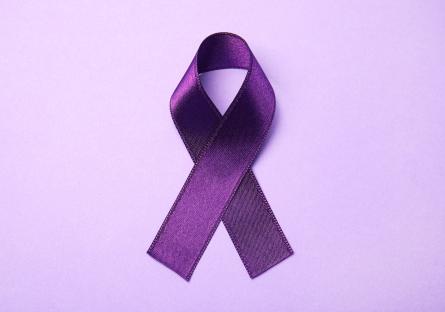
October is Domestic Violence Awareness Month.
You may notice more purple ribbons, shirts, social media posts, and awareness events throughout October. But what does the purple actually represent, and why do we recognize this month?
Domestic Violence Awareness Month is a time to bring attention to domestic violence, support survivors, remember those who have lost their lives, and make sure people know that help is available.
Domestic Violence Awareness Month was first recognized nationally in 1987 and was officially designated by Congress in 1989. Purple has become the color associated with domestic violence awareness and represents courage, strength, survival, and support.
Domestic violence can happen to anyone
Domestic violence is present in communities everywhere. It can affect people regardless of age, race, religion, gender, sexual orientation, nationality, or socioeconomic background.
And it doesn't always look the way we might expect.
Domestic violence isn't only physical violence. It can include emotional abuse, sexual abuse, financial control, digital monitoring, threats, intimidation, or controlling who someone spends time with.
For example, a partner might:
- Constantly check your phone or demand your passwords.
- Track your location without your consent.
- Tell you who you can or cannot spend time with.
- Control your money or prevent you from working.
- Make you feel afraid to disagree with them.
- Pressure you into sexual activity.
- Frequently put you down or make you feel like you aren't good enough.
- Threaten you, someone you love, or themselves if you don't do what they want.
Not every unhealthy relationship involves domestic violence, and one behavior by itself may not tell the whole story. What matters is recognizing patterns of control, fear, intimidation, or harm.
What if this sounds familiar?
If something in this article feels familiar, you don't have to figure everything out right now.
You don't have to decide what to call your experience before reaching out for support. You also don't have to be ready to leave a relationship before talking to someone.
You can start by talking with someone you trust or contacting a support resource for information and guidance.
What if I'm worried about a friend?
You don't have to be an expert to support someone. Start by listening. Instead of asking, "Why don't you just leave?", you might say:
- "I'm glad you told me."
- "I believe you."
- "You don't deserve to be treated this way."
- "How can I support you?"
Remember that leaving an abusive relationship can be complicated, and the safest choice can look different for each person. Your role is to support your friend without judging or pressuring them.
Need Someone to Talk To?
If you are experiencing something difficult in a relationship, you don't have to navigate it alone. GateWay Community College's Counseling Department is available to support students with personal, academic, and emotional concerns and can help connect students with appropriate resources.
GateWay Community College Counseling Department
602-286-8900
If you are experiencing domestic violence or are concerned about your immediate safety, the specialized resources listed below can provide additional support.
Resources
For immediate danger:
Call 911.
Maricopa County Domestic Violence Shelter Line
480-890-3039
National Domestic Violence Hotline (24/7)
800-799-7233
TTY: 800-787-3224
RAINN National Sexual Assault Hotline
800-656-HOPE (4673)
If you or someone you know is experiencing domestic violence or sexual assault, reaching out for support can be a first step.
This October, let's learn, listen, support, and speak up. Everyone deserves relationships built on respect, safety, trust, and consent.